ACL Injury Recovery: Timeline, Rehab Phases & Return to Play
Published:
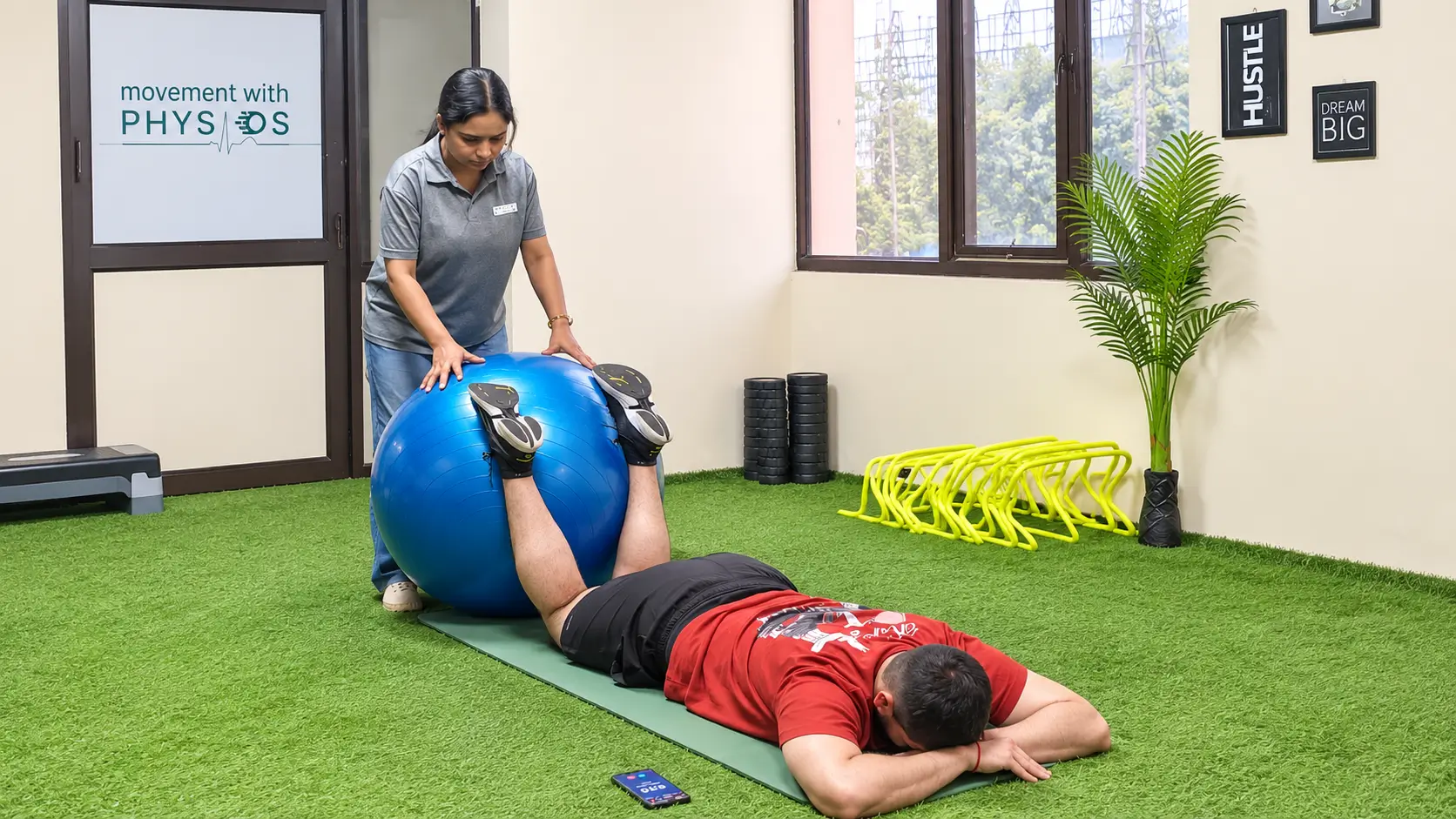
Know what to expect after an ACL injury, from the first 48 hours to your first match back.
Most people remember the exact moment their ACL gave way: a sudden pivot, a hard landing, a pop, and a knee that would not hold. The first question that follows is almost always the same: how long until I can play again? The honest answer is that ACL injury recovery is a process measured in months, and the quality of your rehabilitation matters far more than how fast you move through it.
What you do in the first few days sets the tone. Protect the knee, reduce swelling with rest, elevation, and cold, avoid forcing movement, and get a proper assessment and scan rather than guessing. Many ACL tears also involve the meniscus or other ligaments, so early diagnosis helps your surgeon and physiotherapist plan the right path, whether that is surgery or structured rehabilitation without it.
The biggest mistake athletes make is judging readiness by how the knee feels. By around three to four months, the knee often feels almost normal, yet strength, balance, and landing control may still be well below where they need to be. This gap is where most re-injuries happen, which is why a rehab plan based on measurable milestones works better than one based on time alone.
At Movement with Physios, we guide ACL recovery in clear phases, each with specific goals you can see and track. Whether you are preparing for surgery, recovering after it, or choosing non-surgical rehabilitation, you will always know what you are working towards and why.
ACL Recovery Timeline: What to Expect Phase by Phase
Phase 1 (first few weeks): the goals are to settle pain and swelling, regain full knee extension, and wake up the quadriceps muscle. Walking normally and straightening the knee fully are the key targets in this stage.
Phase 2 (about weeks 4 to 12): the focus shifts to building strength in the quadriceps, hamstrings, and glutes, with bridges, step-ups, squats, and band work, while balance training teaches the knee to control itself again.
Phase 3 (about months 3 to 6): controlled running starts once strength and swelling criteria are met, followed by low-level jumping and landing drills, always checked for good knee alignment and equal weight on both legs.
Phase 4 (about months 6 to 9 and beyond): agility, cutting, and sport-specific drills are introduced gradually, along with higher-load strength work to prepare the knee for the demands of match play.
Return to play is cleared only after objective strength, hop, and movement tests are passed, which usually happens around nine to twelve months after surgery. Timelines vary with your injury, your sport, and your surgeon's protocol.
- Early care and assessment to protect the knee and plan the right treatment path
- Full knee extension and quadriceps activation in the first phase
- Progressive strength training for the quadriceps, hamstrings, and glutes
- Balance and landing-control training to prevent re-injury
- Graded running, jumping, and agility progressions
- Objective strength and hop testing before clearance to return to play
ACL recovery is a long road, but it is one you can plan, measure, and finish strong. The athletes who do best are not the ones who rush, but the ones who follow each phase and return only when their knee is truly ready. At Movement with Physios, we walk that road with you, from the day of injury to the day you step back on the field.