Save 20% on your first session!

Sports Injury Recovery: Why Rest Alone Isn’t Enough
Recover faster from sports injuries with the right approach. Learn why rest alone isn’t enough and how physiotherapy speeds up safe healing.
PHYSIOTHERAPY
Shrutika Shukla
4/16/20266 min read
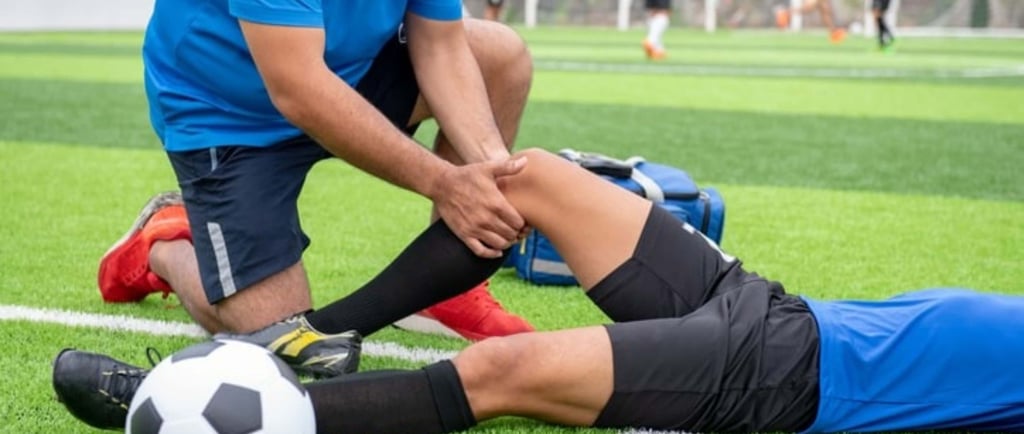
You roll your ankle during a weekend match or tweak your knee in the gym, and the advice comes fast: just rest it. Ice it, elevate it, and wait it out. For many athletes, that approach feels safe and simple. Yet weeks turn into months, and the same nagging stiffness or weakness returns the moment you try to train again. At Movement With Physios, we work with athletes every day who discover that rest alone leaves them stuck. True sports injury recovery demands more than time off the field. It requires a smart, active plan that addresses every layer of healing. In this article, you learn exactly why rest falls short and how you build a complete recovery that gets you back stronger, faster, and with lower risk of re-injury.
We see the difference daily in our clinic. Athletes who pair rest with guided movement, proper nutrition, and targeted therapy return to play with confidence. You gain the same edge when you understand the full picture. Let’s break it down step by step so you can apply these strategies right away.
Why Rest Alone Falls Short in Sports Injury Recovery
Rest protects the injured tissue in the first 48 to 72 hours, but after that it starts working against you. Your body repairs damaged muscle, tendon, or ligament through a precise sequence of inflammation, repair, and remodeling. When you stay completely still for too long, scar tissue forms in a disorganized way. That scar tissue shortens the muscle and reduces joint mobility. You end up with stiffness that limits your range of motion even after the pain fades.
Blood flow also drops dramatically during total rest. Nutrients and oxygen that your tissues need for repair arrive more slowly. Waste products build up, which prolongs swelling and delays the transition from the inflammatory phase to the rebuilding phase. Studies on soft-tissue healing show that controlled loading after the acute stage increases collagen alignment and makes the repaired tissue up to 30 percent stronger than tissue that healed in complete immobilization.
At Movement With Physios, we explain this to every athlete who walks through our doors. Rest gives your body a head start, but it never finishes the job. You must introduce the right type of stress at the right time to guide healing. Without that guidance, you risk a weak spot that fails under the demands of your sport. This is exactly where most weekend warriors and competitive athletes lose months of training time.
How Inflammation and Swelling Actually Help—When You Manage Them Right
Inflammation often gets a bad name, yet it kicks off the entire repair process. Blood vessels open wider, white blood cells rush in, and growth factors signal your body to start rebuilding. The problem arises when swelling stays high for days or weeks. Excess fluid compresses healthy tissue, reduces oxygen delivery, and makes movement painful.
You control this process without shutting it down completely. Gentle movement pumps fluid out of the area through the lymphatic system. Compression and elevation still play a role, but you combine them with active ankle pumps or shoulder circles once the acute pain settles. These small actions keep the joint lubricated and prevent the capsule from tightening.
We also look at your overall system. Poor sleep, high stress, or inadequate protein intake keeps inflammation elevated longer than necessary. When you address these factors together, swelling drops faster and healing moves forward on schedule. Athletes who learn this approach at Movement With Physios report noticeably less stiffness by week two compared with those who simply wait it out.
Controlled Movement: The Missing Piece That Speeds Healing
Movement is not the enemy of recovery—it is the driver. After the initial protection phase, you introduce pain-free range of motion and then progress to light loading. This stimulates mechanoreceptors in your tissues, which tell your nervous system that the area is safe again. Your brain reduces protective muscle guarding, and you regain confidence in the injured limb.
Take a common ankle sprain as an example. You start with simple alphabet drawings in the air while seated. Within days you progress to single-leg balance on a stable surface, then unstable surfaces. Each step loads the ligaments in a controlled way so they adapt and become more resilient. Skipping this progression leaves the ankle stiff and prone to giving way when you return to cutting movements.
The same principle applies to knee, shoulder, or back injuries. You load the tissue along the lines of force it will face in your sport. This builds tolerance and improves proprioception—the body’s sense of position in space. Without it, you compensate with other muscles, which creates new problems elsewhere. Controlled movement turns a weak link back into a strong one.
Nutrition and Hydration: The Fuel That Rebuilds Tissue from the Inside
Your body cannot build strong collagen or repair muscle fibers without the right raw materials. Protein supplies the amino acids for tissue repair, while vitamin C and zinc support collagen synthesis. Omega-3 fatty acids from fish or flaxseed calm excessive inflammation without blocking the helpful signals your body needs.
You aim for 1.6 to 2.2 grams of protein per kilogram of body weight each day during recovery. Spread it across meals so your muscles receive a steady supply. Carbohydrates keep energy levels stable for your rehab sessions, and healthy fats support cell membrane repair. Hydration matters just as much. Even mild dehydration thickens blood and slows nutrient delivery to the injury site.
At Movement With Physios we review each athlete’s diet and suggest simple swaps that make a measurable difference. One runner who added a protein-rich breakfast and an extra 500 ml of water daily noticed reduced morning stiffness within a week. These changes work alongside your training plan, not instead of it. When you fuel the recovery process correctly, every other step becomes more effective.
Sports Injury Physiotherapy: Expert Guidance That Changes Everything
Sports Injury Physiotherapy takes the guesswork out of your recovery. A qualified physiotherapist assesses the exact stage of healing, measures your current strength and mobility, and designs a program that progresses safely. You receive hands-on treatment to reduce scar tissue, restore joint glide, and activate the right muscles at the right time.
Manual therapy, targeted exercises, and real-time feedback on movement patterns help you avoid the common mistakes that slow progress. For instance, many athletes overload the injured area too early because they feel “almost normal.” Sports Injury Physiotherapy provides objective tests that tell you exactly when you are ready for the next stage.
We use this approach every day at Movement With Physios. Athletes who combine their own efforts with our Sports Injury Physiotherapy sessions return to competition with better performance metrics than before the injury. The personalized attention also catches small issues before they become big setbacks. If you want reliable results instead of trial and error, professional guidance makes the difference.
Rebuilding Strength and Mobility to Prevent the Next Injury
Once pain subsides, the real work begins. You rebuild strength in the injured area and the surrounding muscles that support it. Weak glutes after a knee injury, for example, leave the knee vulnerable during single-leg landings. Targeted exercises correct these imbalances and restore full function.
Mobility work keeps joints moving smoothly through their full range. Dynamic stretches and controlled end-range holds improve tissue length without forcing the joint into painful positions. You also train stability and coordination so your body reacts automatically when you cut, jump, or pivot.
We emphasize functional patterns that match your sport. A footballer practices deceleration drills, while a tennis player focuses on rotational control. This sport-specific training ensures the recovery translates directly to performance. The result is not just healing—it is a more robust, resilient body that handles the demands of training and competition better than before.
The Mental Side: Staying Focused and Positive Through Recovery
Injuries test your mindset as much as your body. You miss games, training sessions, and the social side of your sport. Frustration builds quickly if you focus only on what you cannot do. Shifting your attention to daily wins—better balance, stronger single-leg squats, or pain-free walking—keeps motivation high.
We encourage athletes to track small improvements in a simple journal or app. Seeing measurable progress reinforces that the plan works. Breathing exercises and short mindfulness sessions also reduce stress hormones that slow healing. When you treat your mind as part of the recovery team, you stay consistent and patient.
At Movement With Physios we celebrate every milestone with our athletes. That shared encouragement turns a tough period into a growth opportunity. You emerge not only physically stronger but mentally tougher, ready to tackle bigger challenges.
Creating Your Personalized Sports Injury Recovery Plan
Every injury and every athlete is different. Your age, sport, training history, and goals shape the perfect plan. Start with a professional assessment that identifies the exact tissues involved and any underlying movement faults. Then build a four-phase program: protection, controlled loading, strength building, and return to sport.
Schedule regular check-ins to adjust the plan based on how your body responds. Include recovery days that still involve light movement so you never lose momentum. Track objective markers—range of motion, strength ratios, and pain levels—so you know when you are truly ready to progress.
You do not have to figure this out alone. The team at Movement With Physios creates these individualized plans every week. We combine the latest evidence with practical experience to give you the fastest, safest route back to the activities you love.
Conclusion
Rest gives your body permission to begin healing, but it cannot complete the process on its own. You need controlled movement, smart nutrition, targeted strength work, and expert guidance to rebuild tissue that performs under pressure. When you follow this complete approach, you return to sport stronger, more resilient, and less likely to face the same injury again.
If you are tired of guessing or waiting for the pain to disappear, it is time to act. Book your assessment with Movement With Physios today. Our experienced team will design a sports injury recovery plan that fits your body, your sport, and your goals. Visit Movement With Physios and take the first step toward getting back in the game—better than before.
Contact:
1st floor, Noida Indoor Stadium,
Sector 21A, Noida,
Uttar Pradesh 201307
Phone:
info@movementwithphysios.com
© 2026 Movement With Physios. All rights reserved.
Email:
Movement With Physios offer professional physiotherapy services guided by clinical expertise, modern rehabilitation techniques, and a patient-centered approach; ensuring safe, effective, and reliable care at every stage of recovery.